
Why Two “Identical” Houses Can Sell for Very Different Prices
If you’ve ever seen two homes on the same street that look similar, but one sells fast for top dollar while the other sits or sells for less, it can feel confusing.
The truth is: in real estate, “identical” is almost never identical.
Price is not just bedrooms, bathrooms, and square footage. Price is a mix of condition, risk, terms, timing, buyer psychology, and how the home is presented and positioned.
Below are the real reasons two similar homes can have very different results, and how sellers can use this to make better decisions.
1) Condition is not “updated vs not updated”
Two houses can both be “3 bed, 2 bath, 1,600 sq ft,” but their condition can create totally different buyer behavior.
What buyers and appraisers actually notice:
-
Roof age and visible wear
-
HVAC age and service history
-
Windows and insulation feel (drafts, high utility costs)
-
Signs of moisture (musty smell, stains, soft flooring)
-
Electrical panel type and capacity
-
Plumbing type and water pressure
-
Crawlspace or basement health
-
Foundation movement clues (cracks, sticking doors)
Why it matters:
Buyers mentally price in risk. Even if repairs are not confirmed, people assume the worst when they see warning signs. That shifts your buyer pool from “top-dollar retail buyers” to “bargain hunters” fast.
Seller takeaway:
A home does not need to be renovated to sell well, but it does need to feel maintained and low-risk.
2) Layout and functionality change value, even with the same square footage
Two homes can have the same square footage and still live very differently.
Common layout issues that reduce demand:
-
Tiny bedrooms or awkward room shapes
-
No true dining space or no functional living room
-
Low ceilings or dark interior
-
Choppy floor plan vs open flow
-
Only one bathroom that is accessed through a bedroom
-
Laundry in an inconvenient spot
-
Poor storage or closet space
Why it matters:
Buyers do not pay for square footage. They pay for how the home feels and functions day-to-day.
Seller takeaway:
Sometimes small staging and furniture placement changes can “fix” a layout problem without construction.
3) Location details create price gaps inside the same neighborhood
Same street does not always mean same value.
Examples that change value:
-
Backing to a main road vs backing to trees
-
Next to a stop sign or intersection vs mid-block
-
Slope, drainage, or water flow issues in the yard
-
A home that feels private vs exposed
-
Noise levels at different times of day
-
Parking situation and driveway usability
Why it matters:
These differences affect buyer emotion and perceived quality, and emotion drives offers.
Seller takeaway:
Micro-location factors change who wants the house and how aggressive they get.
4) Timing and competition matter more than most people realize
Two similar homes can hit the market in different conditions.
Timing variables:
-
Seasonality (spring tends to bring more buyers)
-
Interest rate changes and buyer confidence
-
Competing listings hitting at the same time
-
New construction incentives pulling buyers away
-
Appraisal and lending climate
Why it matters:
If there are five similar homes available, buyers negotiate harder. If yours is the only one, they compete.
Seller takeaway:
Sometimes pricing is less about the house and more about the moment.
5) Terms and seller flexibility can add or cost thousands
This one is huge and often overlooked.
Two sellers can list at the same price, but one nets more because of terms.
Terms that impact buyer demand:
-
Closing date flexibility
-
Seller-paid closing cost help
-
Home warranty
-
Repair strategy after inspections
-
Appraisal gap willingness
-
Occupancy needs (can you move quickly or need time?)
Why it matters:
Buyers buy outcomes. If your terms remove friction, your offer count goes up. More offers usually means a better final price.
Seller takeaway:
Price is not the only negotiating lever. Strong terms can protect price.
6) Presentation and marketing can create a price gap all by itself
Even a great house can underperform if it is marketed poorly.
Marketing that moves the needle:
-
Professional photos that show space and light
-
Accurate, benefit-driven description (not generic)
-
Correct pricing strategy and launch timing
-
Social media exposure and local network reach
-
Showing experience (clean, staged, easy access)
-
Addressing obvious concerns upfront
What hurts a sale:
-
Dark photos, clutter, or unfinished rooms in photos
-
Weird angles that distort room size
-
Missing key photos (basement, yard, bathrooms)
-
Overpricing “to test the market”
-
Poor first week momentum
Why it matters:
The first 7 to 10 days are when you get your strongest buyer attention. If you miss that window, you often chase the market.
Seller takeaway:
You only get one first impression. The market remembers.
7) Buyer psychology is real, and it affects price
Buyers are emotional and pattern-driven.
Common psychology triggers:
-
A home that feels cared for feels more valuable
-
Clean smells like “no problems”
-
Bright lighting feels newer and bigger
-
Fresh paint signals maintenance
-
A messy house signals hidden issues
Even if none of those are “logical,” they are consistent in how buyers behave.
Seller takeaway:
You’re not selling a building. You’re selling a feeling of safety and pride.
So what should sellers do with this information?
Step 1: Identify what “lane” your house is in
Most homes fit into one of these lanes:
-
Retail-ready (likely best on the open market)
-
Mostly retail (minor issues, may need a smart prep plan)
-
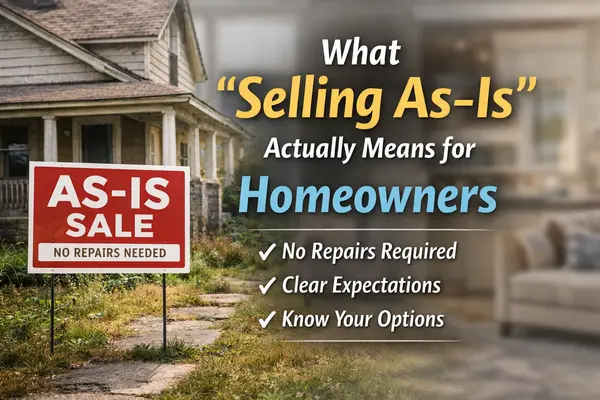
As-is / risk-heavy (repairs, condition, tenant, timeline, or complexity)
There is no shame in any category. The key is choosing the right strategy.
Step 2: Decide what matters most to you
Most sellers prioritize one of these:
-
Highest possible price
-
Speed and certainty
-
Avoiding repairs and showings
-
A balance of all three
That priority determines the best plan.
Step 3: Compare two paths the right way
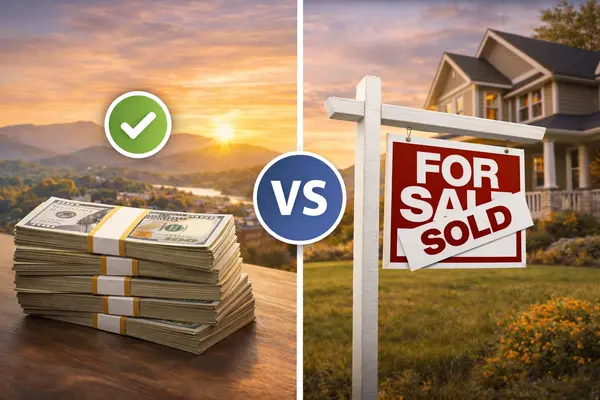
This is where we see homeowners get burned: they only compare list price vs cash price.
A fair comparison looks like this:
-
Net proceeds after fees, repairs, and concessions
-
Timeline and carrying costs (mortgage, utilities, stress)
-
Risk (inspection outcomes, financing, appraisal issues)
-
Certainty and personal bandwidth
Sometimes listing wins. Sometimes a direct offer wins. Sometimes a hybrid approach wins.
If you want a quick answer
If you’re in the Shenandoah Valley and you’re curious what your house would realistically sell for, we can give you a straight comparison:
-
What it could sell for on the open market
-
What it might take to get it there
-
What an as-is option could look like if you want speed and simplicity
No pressure, just clarity.
Categories
Recent Posts







GET MORE INFORMATION